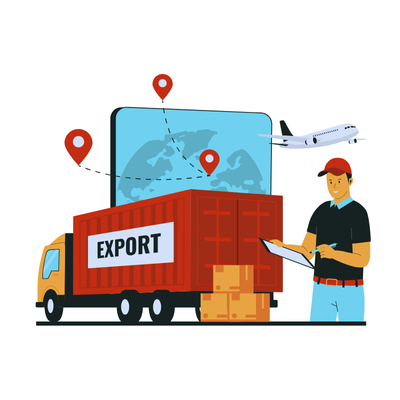
An Import Export Data Bank is a repository or database that collects, organizes, and provides access to detailed information about the import and export activities of countries worldwide.
In today’s fast-paced global economy, knowing the movement of goods across borders is crucial for any business or individual involved in international trade. One of the best ways to keep track of this is through the Import Export Data Bank. This valuable tool provides detailed insights into global trade, helping businesses make smarter decisions. In this article, we’ll explore what an import exports data bank is, how to use it, and why it’s an essential resource for anyone involved in global trade.
What is an Import Export Data Bank?
An Import Exports Data Bank is a repository or database that collects, organizes, and provides access to detailed information about the import and export activities of countries worldwide. This includes data on the type, quantity, value, and origin/destination of goods being traded. Think of it as a massive trade library, where all the details about what countries are buying and selling to each other are kept.
This data is usually updated regularly to provide the most current insights on global trade flows. Whether you’re a small business owner looking to expand your operations or a large corporation trying to understand market trends, an import exports data bank is a valuable tool to guide your decisions.
Why is the Import Export Data Bank Important?
Having access to detailed import-exports data is more than just a luxury; it’s a necessity in today’s world of global business. Here’s why:
Identifying Market Opportunities
An import exports data bank can help businesses identify new market opportunities. By examining trade patterns, you can pinpoint which countries are importing products that your company sells. This is particularly useful for identifying export opportunities and expanding into new markets.Analyzing Competitors
Understanding the data about imports and exports helps businesses track their competitors. You can see who is trading what, when, and where. This helps you gain insight into the strategies of other businesses in your industry.Managing Risk and Compliance
Trade data also highlights any trade barriers, tariffs, or compliance regulations that may affect your business. If you’re planning to export goods to a certain country, knowing the tariff rates and regulations is essential to avoid costly mistakes.Optimizing Supply Chain
By analyzing global trade patterns, you can optimize your supply chain. The import exports data bank provides information on which ports and customs are handling the most goods, allowing you to make informed decisions about shipping routes and partners.
How to Access an Import Export Data Bank?
You might be wondering, “How can I access this valuable information?” The good news is, there are several ways to access import-export data. Let’s take a look:
Government Websites
Many governments maintain and publish import-export data. For example, in the United States, the Census Bureau provides detailed trade statistics. Similarly, India has its trade data published by the Ministry of Commerce and Industry. These resources are usually free to access, but they may not always offer detailed or customized reports.Commercial Data Providers
For more detailed and user-friendly data, businesses often turn to commercial data providers. These providers offer in-depth reports with customizable filters, allowing businesses to target specific products, regions, or timeframes. Some of these services are free, while others may require a subscription.Online Platforms
Some online platforms offer access to import-export data from various countries. Websites like TradeMap or Panjiva are popular among businesses for gathering trade data. These platforms usually provide visual tools and dashboards that make it easier to analyze the data.
Key Features of an Import Export Data Bank
There are several key features you should look for when using an import exports data bank. These features will help you make the most of this valuable tool:
Detailed Trade Reports
A good import exports data bank will give you detailed reports that cover the key data points such as product descriptions, HS codes, quantity, value, and country of origin and destination.Custom Filters
The ability to filter data by various parameters, such as country, product, or time period, is essential. This allows you to dive deeper into the data and focus on the areas that matter most to your business.Real-Time Updates
For businesses operating in a fast-moving market, access to real-time or frequently updated data is critical. A quality data bank will ensure that the information you’re looking at reflects the latest trade activity.Historical Data
Sometimes, you need to look back at past trends to make informed decisions. A solid import export data bank will have access to historical trade data, allowing you to track how trade patterns have changed over time.
How to Use the Import Export Data Bank for Business Growth
Once you have access to an import exports data bank, how do you use it to grow your business? Here are some practical tips:
1. Find New Markets for Your Products
By studying the import-export data, you can identify countries that are importing goods similar to what you sell. For instance, if you export electronics and notice that a certain country is increasing its imports of gadgets, you might want to target that country for your next marketing campaign. The data helps you spot these opportunities quickly.
2. Monitor Competitors’ Activities
You can use the data to understand your competitors’ trade strategies. By observing which countries your competitors are exporting to, you can make more informed decisions about your own business’s international expansion strategy. You’ll be able to see what’s working for others, and what might be missing from the market.
3. Stay Ahead of Trade Regulations
As trade regulations change, staying up-to-date with the latest tariffs and compliance rules is essential. An import export data bank will help you track these changes and ensure that you are always in compliance with international trade laws.
4. Optimize Your Supply Chain
With access to data about global trade routes, ports, and customs activities, you can optimize your supply chain to ensure faster, more cost-effective shipping. You might discover new logistics partners or shipping routes that offer more efficient options for your business.
Common Challenges with Import Export Data
While import export data banks are powerful tools, they are not without their challenges. Here are a few things to keep in mind:
Data Overload: With so much information available, it can be overwhelming to sift through all of it. Make sure to use custom filters to narrow down your focus to the most relevant data.
Accuracy: Not all data sources are created equal. Some commercial providers might have inaccuracies in their records, so it’s important to cross-check data from multiple sources when making critical business decisions.
Cost: While government websites offer free access to basic data, commercial data providers can be expensive. Make sure the investment is worthwhile for your business.
Conclusion
In conclusion, the Import Export Data Bank is a vital resource for any business involved in global trade. Whether you’re an exporter looking to expand your market, a company looking to optimize your supply chain, or someone who simply wants to understand global trade trends, this tool provides the insights you need. With detailed reports, customizable filters, and real-time data, you’ll be able to make more informed decisions and grow your business internationally. If you haven’t started using an import export data bank yet, now is the time to dive in and take full advantage of this valuable tool!
Our Other Related Articles