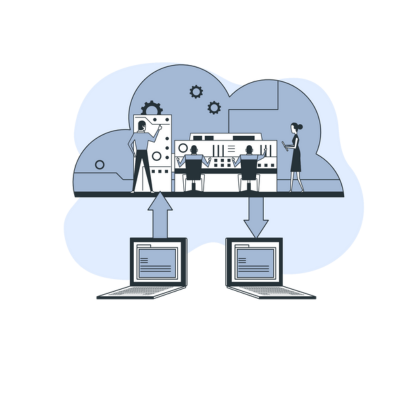
Tax rules are changing. Software is changing. Business systems are changing too. But your tax data must not be left behind. That’s why GST data migration matters. It helps you shift your old GST records into new systems — safely and without any errors.
When done right, it saves time, reduces risks, and helps you stay GST compliant. Let’s understand how it works and why every business should take it seriously.
What Is Data Migration in GST?
GST data migration is the process of moving your tax records from one platform or software to another. This may happen when your business:
Upgrades accounting software
Switches to a cloud-based GST system
Merges with another business
Registers a new GSTIN for a different state
So, it’s not just for old GST users. Even new businesses often need to migrate GST data as they grow.
Why Migrating Records Is Important
Although it looks like just moving data, GST data migration is important for your business’s future. If you miss any record, it could affect:
Your Input Tax Credit (ITC)
Your return filings
Your audit reports
So, to avoid stress and penalties, it’s best to carry every GST detail with you.
How to Migrate GST Data Safely
Migrating GST data requires careful steps to avoid data loss, errors, or non-compliance. Here’s how to do it safely and smoothly:
Create a Backup First
Always take a full backup of your existing GST data before starting the migration process. This ensures you can recover data if anything goes wrong.Use Trusted Software
Choose migration tools or platforms that are GST-compliant and widely trusted. They should support data validation and error checks.Clean the Data Before Migration
Remove duplicates, fix incorrect GSTINs, and validate entries. Clean data reduces the risk of errors in the new system.Map Fields Accurately
Make sure the old and new systems have matching field formats for invoices, GST returns, and vendor data.Test with Sample Data
Run a small migration test to identify potential issues before moving the full database.Ensure Security Compliance
Use secure servers and encrypted file transfers to protect sensitive tax information during migration.Verify Post-Migration Accuracy
After migration, run reports and match totals to confirm that all data has transferred correctly.
Safe GST data migration helps maintain continuity, avoids filing issues, and protects sensitive financial records.
Plan Before You Migrate Anything
Planning is the key. Before starting your GST data migration, always:
Take a backup of all tax files
Clean your data (remove duplicates or wrong entries)
Match formats with the new system
List everything you want to move: invoices, returns, payments
Doing this saves time and avoids errors later.
Common Mistakes to Avoid During Migration
Moving GST data sounds easy, but if not done carefully, it leads to problems. Some common errors include:
Lost or incomplete invoices
Mismatched GSTINs
Wrong ITC entries
Broken links between sales and purchase records
These mistakes can cause issues in your returns or even attract penalties. So, double-check everything during migration.
How GST Data Migration Helps with Compliance
Being GST compliant means you file returns on time, claim correct ITC, and avoid penalties. A good migration process ensures:
Old GST records are not lost
Your tax history is clear
Return data and ITC match perfectly
Because of this, GST data migration plays a big role in helping businesses stay compliant, especially during audits.
Invoice-Level Migration Is a Must
One thing many forget is invoice-level details. For every sale or purchase, invoices hold key tax info like:
Invoice number and date
GSTIN of supplier or buyer
Tax amount
HSN or SAC code
If these are not moved properly, your ITC may not match, leading to trouble later.
Switching to Cloud? Don’t Forget GST Data
These days, more businesses are using cloud software. It’s faster, safer, and works anywhere. But before making the switch, don’t forget to move your old data.
Proper GST data migration ensures that your cloud system has:
Past return data
Correct GSTINs
Full ITC records
Linked sales and purchases
This helps your cloud platform work better and keeps your records complete.
GST Data Migration in Real Time
Here’s a quick view of how the migration usually happens:
Export data from the old system
Format the files correctly
Import into the new system
Check return summaries, invoice records, and challans
Reconcile with GST portal (optional but helpful)
Doing this carefully helps avoid errors in your next GST filing.
Check Everything After Migration
Your job doesn’t end after moving the data. You must review it too. Some important things to check:
Are GSTR-1, 3B, and ITC records visible?
Do invoice numbers and dates match?
Are the GSTINs of vendors correct?
Does the new system show the right ITC balance?
A small review now can save big problems later.
How GST Data Migration Saves Time and Money
You may spend some time planning the migration, but it saves much more in the long run. You avoid:
Late filings
Rejected ITC
Errors during audits
Confusion in reports
By doing GST data migration right, your team saves effort, and your business saves money.
Conclusion:
To sum it up, GST data is not just numbers — it’s your entire tax history. Whether you’re upgrading systems, shifting to cloud, or growing fast, GST data migration ensures that your records stay complete and clean.
It supports better decisions, smoother returns, and stronger compliance. So, don’t treat it as a small task. Plan well, review everything, and keep your data safe for the future.